

What surface treatments are needed for metal before printing with High Speed Sublimation Paper?
May 30, 2025
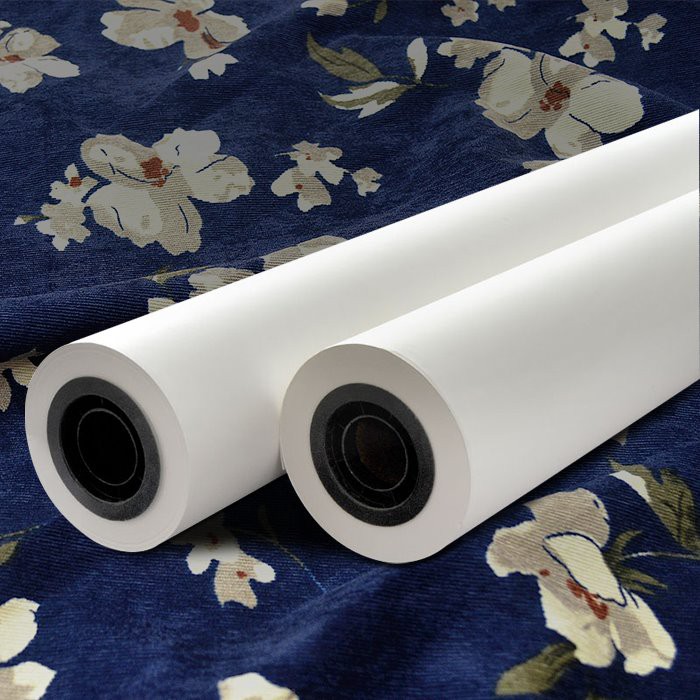
As a high - speed sublimation paper supplier, I've seen the growing interest in using our Quick Dry Sublimation Paper for metal printing. Sublimation printing on metal offers a unique and durable way to transfer vivid and long - lasting images. However, proper surface treatment of the metal is crucial to ensure high - quality printing results. In this blog, we'll explore the necessary surface treatments for metal before using our 60gsm Fast Dry Sublimation Paper and Subli Paper.

Why Surface Treatment is Important
Before delving into the specific treatments, it's essential to understand why surface treatment matters. Metal surfaces are often smooth, non - porous, and can have an oxide layer or contaminants. These factors can prevent the sublimation ink from properly adhering to the metal surface, resulting in poor image quality, uneven color distribution, or even complete rejection of the ink. Surface treatment helps to create a receptive surface that allows the sublimation ink to bond effectively with the metal, resulting in a clear, sharp, and long - lasting print.
Cleaning the Metal Surface
The first step in any surface treatment process is cleaning. This removes dirt, grease, oil, and other contaminants that may be present on the metal surface. There are several methods for cleaning metal:
Solvent Cleaning
Solvent cleaning is a common method used to remove organic contaminants such as oil and grease. Depending on the type of metal and the nature of the contaminants, different solvents can be used. For example, isopropyl alcohol is a mild solvent that can be used on most metals. It is relatively safe to use and evaporates quickly, leaving no residue. Acetone is a stronger solvent that can dissolve tough grease and adhesives, but it should be used with caution as it is highly flammable and can damage some types of paint or coatings.
To clean the metal with a solvent, soak a clean cloth or sponge in the solvent and gently wipe the metal surface. Make sure to cover the entire surface area. After wiping, allow the solvent to evaporate completely before proceeding to the next step.
Alkaline Cleaning
Alkaline cleaners are effective at removing dirt, scale, and some types of rust. These cleaners work by breaking down the contaminants through a chemical reaction. Alkaline solutions can be purchased commercially or made at home using common household ingredients such as baking soda and water.
When using an alkaline cleaner, follow the manufacturer's instructions for dilution and application. Usually, the metal is submerged in the alkaline solution for a certain period, and then rinsed thoroughly with water to remove any remaining cleaner.
Acid Cleaning
Acid cleaning is used to remove rust, scale, and oxide layers on the metal surface. Different acids are used depending on the type of metal. For example, hydrochloric acid can be used to clean steel and iron, while nitric acid is suitable for cleaning copper and brass. However, acid cleaning should be done with extreme caution as acids are corrosive and can cause serious harm if not handled properly.
After cleaning with acid, the metal must be neutralized to prevent further corrosion. This is usually done by rinsing the metal with a mild alkaline solution and then with water.
Etching the Metal Surface
Etching is a process that creates a rough or micro - porous surface on the metal. This increases the surface area available for the sublimation ink to adhere to and improves the mechanical bonding between the ink and the metal.
Chemical Etching
Chemical etching involves immersing the clean metal in an etching solution. The etching solution reacts with the metal surface, removing a thin layer of metal and creating a rough texture. The type of etching solution used depends on the metal being etched. For aluminum, a solution of sodium hydroxide can be used, while for steel, a solution of hydrochloric acid may be more appropriate.
During the etching process, the metal is carefully monitored to ensure that the etching depth is uniform and not too deep. After etching, the metal is rinsed thoroughly with water to remove the etching solution.
Sandblasting
Sandblasting is a physical etching method. It involves propelling abrasive particles at high speed onto the metal surface using compressed air. The abrasive particles impact the metal surface, creating a rough texture. The type of abrasive used can vary, but common options include silica sand, aluminum oxide, and glass beads.
The advantage of sandblasting is that it can quickly create a uniform rough surface on large metal areas. However, it requires specialized equipment and should be done by trained personnel to ensure safety and proper results. After sandblasting, the metal should be cleaned again to remove any loose abrasive particles.
Applying a Primer or Coating
After cleaning and etching, a primer or coating can be applied to the metal surface. A primer acts as a bonding agent between the metal and the sublimation ink, improving adhesion and color vibrancy. There are different types of primers available for different metals:
Epoxy Primer
Epoxy primers are known for their excellent adhesion and corrosion resistance. They are suitable for a wide range of metals, including steel, aluminum, and stainless steel. Epoxy primers can be applied by spraying, brushing, or dipping. After application, the primer needs to be cured at a specific temperature and time according to the manufacturer's instructions.
Polyurethane Coating
Polyurethane coatings are durable and offer good flexibility and abrasion resistance. They can enhance the print quality and protect the sublimation - printed image from scratches and wear. Polyurethane coatings can be clear or pigmented and can be applied in multiple layers for added protection.
Specialized Sublimation Primers
Some manufacturers offer specialized sublimation primers that are specifically designed for use with sublimation printing on metal. These primers are formulated to optimize the adhesion of sublimation ink and can provide additional benefits such as UV resistance and improved color fastness.
Testing the Treated Surface
Before proceeding with full - scale printing, it's a good idea to perform a test print on a small area of the treated metal surface. This allows you to check the adhesion of the sublimation ink, the color accuracy, and the overall print quality. If the test print shows any issues, such as poor adhesion or color problems, you can adjust the surface treatment process accordingly.
Conclusion
Surface treatment is a crucial step before sublimation printing on metal. By properly cleaning, etching, and priming the metal surface, you can ensure that our Quick Dry Sublimation Paper, 60gsm Fast Dry Sublimation Paper, and Subli Paper can produce high - quality, long - lasting prints on metal.
If you're in the business of sublimation printing on metal or are looking to start, our high - speed sublimation paper products are an excellent choice. We offer a range of products designed to meet your specific needs. Contact us to discuss your requirements further and start a fruitful procurement negotiation. Our team of experts is ready to provide you with the best solutions and support for your sublimation printing projects.
References
- ASTM International. (Multiple standards related to metal surface preparation and treatment)
- Tripp, C. P., & Hair, M. L. (1971). "Surface Analysis of Metals". Academic Press.
- O'Brien, W. F., & Karow, A. R. (1999). "Corrosion and Oxidation of Metals: Principles, Testing, and Protection". McGraw - Hill Professional.