

What is the transfer temperature for Jumbo Roll Heater Transfer Paper?
May 15, 2025
In the realm of printing and textile decoration, Jumbo Roll Heater Transfer Paper has emerged as a game - changer. As a trusted supplier of this remarkable product, I am often asked about one crucial aspect: the transfer temperature for Jumbo Roll Heater Transfer Paper. In this blog post, I'll delve into this topic in detail, exploring the factors that influence transfer temperature, the ideal temperature ranges, and how to achieve the best results.
Understanding Jumbo Roll Heater Transfer Paper
Before we discuss the transfer temperature, it's essential to understand what Jumbo Roll Heater Transfer Paper is. It is a specialized type of paper designed for heat transfer printing. This paper is available in large rolls, which makes it suitable for high - volume printing projects. It works by transferring ink or dye from the paper onto a substrate, such as fabric, ceramic, or metal, when heat and pressure are applied.
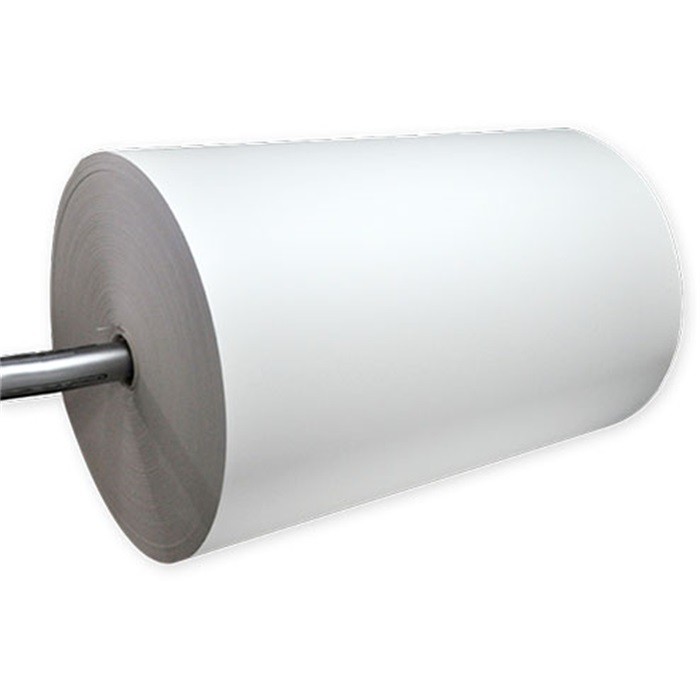
There are different types of Jumbo Roll Heater Transfer Paper, including Large Sublimation Paper and Large Heat Transfer Paper. Sublimation paper is used for sublimation printing, where the ink turns from a solid to a gas without going through the liquid phase and bonds with the substrate at a molecular level. Heat transfer paper, on the other hand, transfers a layer of ink or pigment onto the surface of the substrate.
Factors Influencing Transfer Temperature
Several factors can influence the ideal transfer temperature for Jumbo Roll Heater Transfer Paper.
Type of Ink
The type of ink used in the printing process plays a significant role. Different inks have different melting points and sublimation temperatures. For example, sublimation inks typically require higher temperatures to sublimate and bond with the substrate effectively. These inks are formulated to turn into a gas at a specific temperature range, usually between 180°C - 220°C (356°F - 428°F). In contrast, pigment - based inks used with heat transfer paper may have a lower melting point, and the transfer temperature can range from 130°C - 180°C (266°F - 356°F).
Substrate Material
The material of the substrate onto which the image is being transferred is another crucial factor. Fabrics, ceramics, and metals all have different heat - tolerance levels. For instance, polyester fabrics are commonly used in sublimation printing because they can withstand the high temperatures required for sublimation. Polyester can handle temperatures up to 220°C (428°F) without significant damage. Cotton fabrics, on the other hand, are more heat - sensitive and may require a lower transfer temperature, usually around 160°C - 180°C (320°F - 356°F) when using heat transfer paper.

Ceramics and metals also have their own temperature requirements. Ceramics can handle relatively high temperatures, often in the range of 180°C - 220°C (356°F - 428°F) for sublimation printing. Metals may require a more precise temperature control, as overheating can cause warping or discoloration.
Paper Quality
The quality of the Jumbo Roll Heater Transfer Paper itself can affect the transfer temperature. Higher - quality papers are often designed to work within a specific temperature range. For example, 50gsm Jumbo Roll Sublimation Paper has a specific thickness and coating that may require a different transfer temperature compared to a thicker or thinner paper. A well - coated paper can help ensure a more even transfer of the ink at the appropriate temperature.
Ideal Transfer Temperature Ranges
As mentioned earlier, the ideal transfer temperature varies depending on the type of paper, ink, and substrate. Here are some general guidelines:

Sublimation Printing
- Polyester Fabrics: For sublimation printing on polyester fabrics using Jumbo Roll Sublimation Paper, the ideal transfer temperature is typically between 180°C - 220°C (356°F - 428°F). At this temperature range, the sublimation ink turns into a gas and penetrates the polyester fibers, resulting in a vibrant and long - lasting image.
- Ceramics and Metals: When sublimating onto ceramics or metals, the temperature range is also around 180°C - 220°C (356°F - 428°F). However, it's important to note that the heating time may need to be adjusted based on the size and thickness of the substrate.
Heat Transfer Printing
- Cotton Fabrics: For heat transfer printing on cotton fabrics using heat transfer paper, the transfer temperature usually ranges from 160°C - 180°C (320°F - 356°F). At this temperature, the pigment - based ink on the paper can adhere to the cotton fibers without causing excessive shrinkage or damage to the fabric.
- Other Fabrics: Synthetic fabrics like nylon may require a slightly different temperature. Generally, the transfer temperature for nylon can be around 170°C - 190°C (338°F - 374°F).
Achieving the Best Results
To achieve the best results when using Jumbo Roll Heater Transfer Paper, it's important to follow these steps:

Pre - test
Before starting a large - scale printing project, it's advisable to conduct a pre - test on a small piece of the substrate. This allows you to determine the optimal transfer temperature and time for your specific combination of paper, ink, and substrate. Make small adjustments to the temperature and time until you achieve the desired result.
Use a Quality Heat Press
Invest in a high - quality heat press that can accurately control the temperature and pressure. A heat press with precise temperature control ensures that the transfer occurs at the right temperature, resulting in a clear and sharp image. Make sure the heat press is properly calibrated before each use.
Apply Even Pressure
Even pressure is crucial for a successful transfer. Uneven pressure can result in parts of the image being lighter or darker than others. Make sure the heat press platens are clean and flat, and apply the appropriate amount of pressure for the substrate and paper combination.
Follow the Manufacturer's Instructions
Always follow the manufacturer's instructions for the Jumbo Roll Heater Transfer Paper, ink, and heat press. The manufacturer has conducted extensive testing to determine the optimal conditions for their products, and following their guidelines will help you achieve the best results.
Conclusion
The transfer temperature for Jumbo Roll Heater Transfer Paper is a critical factor that can significantly impact the quality of the printed image. By understanding the factors that influence transfer temperature, such as the type of ink, substrate material, and paper quality, and following the ideal temperature ranges and best practices, you can achieve excellent results in your printing projects.
If you're interested in purchasing high - quality Jumbo Roll Heater Transfer Paper for your printing needs, I invite you to get in touch with us. We are committed to providing you with the best products and support to ensure your printing projects are a success. Contact us today to start a discussion about your specific requirements and how we can help you achieve your printing goals.
References
- "Heat Transfer Printing Handbook", XYZ Publishing, 20XX
- "Sublimation Printing Technology", ABC Press, 20XX