

What is the best temperature for using sticky sublimation paper?
Jul 30, 2025
As a supplier of Sticky Sublimation Paper, I often get asked about the optimal temperature for using this specialized paper. Sticky sublimation paper is a game - changer in the world of printing, offering a unique way to transfer vivid and long - lasting images onto various surfaces. In this blog, we'll explore what the best temperature is for using sticky sublimation paper, and how it impacts the quality of your prints.
Understanding Sticky Sublimation Paper
Before delving into the ideal temperature, let's briefly understand what sticky sublimation paper is. Sticky sublimation paper is designed with a special adhesive layer that allows it to adhere well to the substrate during the sublimation process. It is used in sublimation printing, a technique where heat and pressure are applied to turn solid dye particles into a gas, which then permeates the surface of materials like polyester fabrics, ceramics, and certain plastics.
The adhesive on the sticky sublimation paper plays a crucial role. It ensures that the paper stays firmly in place during the transfer, preventing any misalignment or shifting that could lead to blurry or incomplete prints. There are different types of sticky sublimation papers available, such as Sticky Sublimation Heat Transfer Paper and Sticky Sublimation Printing Transfer Paper, each with its own characteristics and applications.
Factors Affecting the Optimal Temperature
Several factors influence the best temperature for using sticky sublimation paper.
Substrate Material
The type of material you're printing on is one of the most significant factors. Different materials have different melting points and heat tolerances. For example, polyester fabrics are commonly used in sublimation printing. Polyester can withstand relatively high temperatures, usually around 380°F - 400°F (193°C - 204°C). At these temperatures, the dye in the sublimation paper turns into a gas and effectively bonds with the polyester fibers.
On the other hand, if you're printing on ceramics, the temperature requirements are different. Ceramics can generally handle higher temperatures, often around 400°F - 420°F (204°C - 216°C). The glaze on the ceramic surface needs to be heated to a point where the sublimated dye can penetrate and create a permanent bond.
Dye Type
The type of dye used in the sublimation process also affects the temperature. Some dyes are formulated to sublimate at lower temperatures, while others require higher heat. Manufacturers usually provide guidelines on the optimal temperature range for their specific dyes. If you use a low - temperature dye at too high a temperature, it may over - sublimate, causing the colors to bleed or become less vibrant. Conversely, using a high - temperature dye at a lower temperature may result in incomplete sublimation, leading to dull and faded prints.
Sticky Sublimation Paper Thickness
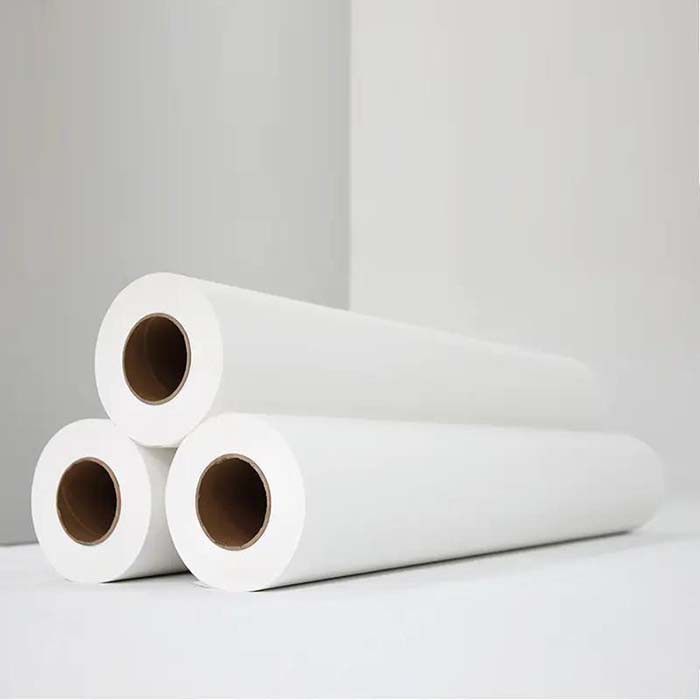
The thickness of the sticky sublimation paper can impact the temperature needed. Thicker papers may require slightly higher temperatures to ensure that the heat penetrates through the paper and reaches the dye layer effectively. For instance, 120gsm Fast Dry Sticky Sublimation Paper has a different heat transfer characteristic compared to a thinner paper. A thicker paper may need an extra 10°F - 20°F (5°C - 11°C) to achieve the same level of sublimation as a thinner one.

Finding the Best Temperature
To find the best temperature for your specific project, it's recommended to conduct test prints. Start with the manufacturer's recommended temperature range for the dye and substrate combination you're using. For example, if you're using a polyester fabric and a standard sublimation dye, you might start at 380°F (193°C).
Make a small test print on a scrap piece of the same substrate. Check the quality of the print. Look for factors such as color vibrancy, sharpness of the image, and how well the paper adhered to the substrate. If the colors are dull or the transfer is incomplete, you may need to increase the temperature slightly. If the colors are bleeding or the paper has warped, you may need to lower the temperature.
It's also important to consider the heat press machine you're using. Different machines may have slight variations in temperature accuracy. Some machines may run a few degrees hotter or colder than the set temperature. Calibrating your heat press regularly can help ensure accurate temperature control.
Temperature Ranges for Common Substrates
Here are some general temperature ranges for using sticky sublimation paper on common substrates:
Polyester Fabrics
- For lightweight polyester fabrics (e.g., athletic wear), the optimal temperature is typically between 380°F - 390°F (193°C - 199°C). These fabrics are more sensitive to heat, and higher temperatures may cause them to shrink or lose their shape.
- For heavy - duty polyester fabrics (e.g., flags or banners), you can use a slightly higher temperature, around 390°F - 400°F (199°C - 204°C). The extra heat helps the dye penetrate deeper into the thicker fibers.
Ceramics
- For ceramic mugs or plates, the temperature should be around 400°F - 420°F (204°C - 216°C). This high temperature is necessary to activate the glaze and allow the dye to bond permanently.
- Ceramic tiles may require a similar temperature range, but the heating time may need to be adjusted based on the tile's thickness.
Plastics
- Some plastics, such as certain types of polycarbonate, can be sublimated at temperatures between 360°F - 380°F (182°C - 193°C). However, it's crucial to check the plastic's heat tolerance before printing, as some plastics may melt or deform at higher temperatures.
Impact of Temperature on Adhesive Performance
The temperature also affects the adhesive on the sticky sublimation paper. If the temperature is too low, the adhesive may not bond well to the substrate, causing the paper to peel off during the transfer process. This can result in incomplete prints or smudging.
On the other hand, if the temperature is too high, the adhesive may become too soft or even burn, leaving residue on the substrate. This not only affects the appearance of the print but can also be difficult to clean off.
Therefore, finding the right balance is essential. The optimal temperature for the adhesive is usually within the same range as the sublimation temperature for the dye. However, some adhesives may have specific temperature requirements, so it's important to follow the manufacturer's instructions.
Conclusion
Determining the best temperature for using sticky sublimation paper is a process that requires careful consideration of several factors, including the substrate material, dye type, and paper thickness. By conducting test prints and adjusting the temperature based on the results, you can achieve high - quality, vibrant prints.
As a supplier of sticky sublimation paper, we are committed to providing you with the best products and support. If you have any questions about the optimal temperature for your specific project or need advice on choosing the right sticky sublimation paper, we're here to help. Contact us to discuss your requirements and start your next sublimation printing project with confidence.
References
- Sublimation Printing: A Comprehensive Guide. [Publisher Name], [Year].
- Handbook of Textile and Apparel Design: Volume 2: Printing and Dyeing. [Author Name], [Publisher Name], [Year].