

What are the challenges of using sublimation ink transfer paper on cotton and how to overcome them?
May 19, 2025
Sublimation printing on cotton presents a unique set of challenges, yet it also holds great potential for creative and commercial applications. As a supplier of high - quality sublimation ink transfer paper, I have witnessed firsthand the hurdles that customers face and the solutions that can be employed to overcome them. In this blog post, I will delve into the challenges of using sublimation ink transfer paper on cotton and share effective strategies to tackle these issues.
Challenges of Using Sublimation Ink Transfer Paper on Cotton
1. Lack of Natural Affinity
One of the most significant challenges is that cotton does not have a natural affinity for sublimation inks. Sublimation printing works by converting a solid ink into a gas, which then bonds with polyester fibers at a molecular level. Cotton, on the other hand, is a natural fiber made of cellulose. The chemical structure of cellulose does not allow the sublimation ink to bond effectively in the same way it does with polyester. As a result, the colors may appear dull, and the image quality may be poor, lacking the vibrancy and sharpness that are characteristic of sublimation prints on polyester.

2. Moisture Absorption
Cotton is highly absorbent. When sublimation ink is applied to cotton using transfer paper, the moisture in the ink can be absorbed by the cotton fibers. This can lead to issues such as ink bleeding, which causes the edges of the printed image to become blurred. Additionally, the absorbed moisture can slow down the sublimation process, as the heat needs to first evaporate the moisture before the ink can turn into a gas and transfer onto the fabric.

3. High Temperature Requirements
To achieve a successful sublimation transfer, high temperatures are typically required. However, cotton is more heat - sensitive compared to polyester. Exposing cotton to high temperatures for an extended period can cause the fabric to yellow, shrink, or even burn. This makes it difficult to find the right balance between the temperature needed for sublimation and the temperature that the cotton can withstand without damage.
4. Durability
The prints on cotton may not be as durable as those on polyester. Since the sublimation ink does not bond as strongly with cotton fibers, the prints are more likely to fade over time, especially with repeated washing and wear. This can be a major drawback for customers who expect long - lasting, high - quality prints on their cotton products.
Overcoming the Challenges
1. Pre - treatment of Cotton
One effective way to overcome the lack of affinity between sublimation ink and cotton is to pre - treat the cotton fabric. There are various pre - treatment solutions available on the market that can modify the surface of the cotton fibers, making them more receptive to sublimation inks. These pre - treatment solutions typically contain polymers or other chemicals that create a bonding surface for the ink. By applying the pre - treatment solution evenly to the cotton fabric before sublimation, the ink can adhere better, resulting in more vibrant and long - lasting prints.
For example, some pre - treatment solutions work by creating a thin layer on the surface of the cotton fibers. This layer acts as an intermediate between the cotton and the sublimation ink, allowing the ink to bond more effectively. When using pre - treatment solutions, it is important to follow the manufacturer's instructions carefully, including the application method, drying time, and curing temperature.
2. Controlling Moisture
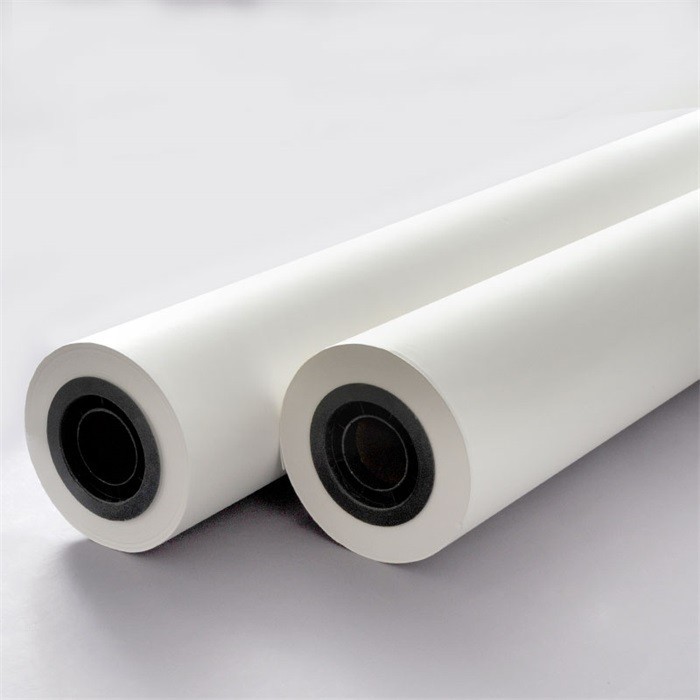
To address the issue of moisture absorption, it is crucial to ensure that the cotton fabric is dry before sublimation. This can be achieved by pre - drying the fabric in a dryer or using a heat press to remove any excess moisture. Additionally, using a high - quality sublimation ink transfer paper, such as our 100gsm Instant Dry Sublimation Ink Transfer Paper, can help reduce the amount of moisture transferred to the fabric. Our 100gsm paper is designed to dry quickly, minimizing the risk of ink bleeding and ensuring a cleaner transfer.
Another strategy is to adjust the humidity levels in the printing environment. A low - humidity environment can help the ink dry faster and reduce the amount of moisture absorbed by the cotton. Using a dehumidifier in the printing area can be an effective way to control humidity.
3. Optimizing Temperature and Time
Finding the right temperature and time settings for sublimation on cotton is a delicate balance. It is important to use a heat press with precise temperature and time controls. Start by using a lower temperature than what is typically used for polyester and gradually increase it while monitoring the results. For example, a temperature range of 350°F - 380°F (177°C - 193°C) for a shorter time, around 30 - 60 seconds, may be a good starting point.
It is also advisable to conduct test prints on scrap pieces of cotton fabric to determine the optimal settings for your specific sublimation ink and transfer paper. Our 120gsm Instant Dry Sublimation Paper is suitable for a wide range of temperature settings, allowing for more flexibility in the sublimation process.
4. Enhancing Durability
To improve the durability of sublimation prints on cotton, post - treatment methods can be employed. One option is to apply a protective coating or laminate to the printed fabric. This coating can act as a barrier, protecting the ink from fading due to washing and wear. Another approach is to use a special type of sublimation ink that is formulated for better adhesion to cotton.
For customers who need to print on dark - colored cotton fabrics, our Sublimation Paper for Dark Fabric is a great solution. This paper is designed to work effectively on dark - colored substrates, providing vibrant and long - lasting prints.
Conclusion
While using sublimation ink transfer paper on cotton presents several challenges, these obstacles can be overcome with the right techniques and products. As a supplier of sublimation ink transfer paper, we are committed to providing our customers with high - quality products and valuable advice to help them achieve the best results. Whether you are a small - scale crafter or a large - scale manufacturer, our range of sublimation papers, including the 100gsm Instant Dry Sublimation Ink Transfer Paper, 120gsm Instant Dry Sublimation Paper, and Sublimation Paper for Dark Fabric, can meet your specific needs.
If you are interested in learning more about our sublimation ink transfer papers or have any questions regarding sublimation printing on cotton, please do not hesitate to contact us. We are here to assist you in your sublimation printing journey and look forward to the opportunity to discuss your procurement needs.
References
- Smith, J. (2020). "Advanced Techniques in Sublimation Printing." Journal of Textile Printing, 15(2), 45 - 56.
- Johnson, A. (2019). "The Chemistry of Sublimation Inks and Their Interaction with Different Fabrics." Textile Science Review, 22(3), 78 - 90.
- Brown, C. (2021). "Overcoming Challenges in Sublimation Printing on Natural Fibers." International Journal of Printing Technology, 30(1), 12 - 25.