

Is Jumbo Roll Heater Transfer Paper waterproof?
Sep 10, 2025
Hey there! As a supplier of Jumbo Roll Heater Transfer Paper, I often get asked a bunch of questions about our product. One of the most common ones is, "Is Jumbo Roll Heater Transfer Paper waterproof?" Well, let's dive right into it and find out.
First off, let me give you a bit of background on what Jumbo Roll Heater Transfer Paper is. It's a type of paper that's super useful for transferring designs onto various materials like fabric, ceramics, and even metal. We offer different kinds, such as Large Heat Transfer Paper, Jumbo Roll Sublimation Transfer Paper, and 70gsm Jumbo Roll Sublimation Paper. Each has its own unique features and uses, but today we're mainly focused on the waterproof aspect.
So, is it waterproof? The short answer is, it depends. You see, regular Jumbo Roll Heater Transfer Paper isn't inherently waterproof. It's designed to absorb the ink during the transfer process, and most of the time, that ink isn't waterproof on its own. When you print a design on the paper and then transfer it to the material, the ink bonds with the surface of the material. But if that material gets wet, there's a chance the ink could start to fade or run.
However, there are ways to make the transfer more resistant to water. One method is to use special waterproof inks. These inks are formulated to be more durable and less likely to wash out. When you use waterproof inks with Jumbo Roll Heater Transfer Paper, the end result can be much more water-resistant. But keep in mind, even with waterproof inks, it's not completely waterproof. If you soak the material for a long time or expose it to harsh chemicals, there's still a risk of some ink loss.
Another factor that affects the waterproofness is the type of material you're transferring the design onto. Some materials are more porous than others. For example, fabric is generally more porous than metal or ceramics. When you transfer a design onto a porous material like fabric, the ink can soak into the fibers. This makes it a bit harder to completely waterproof the design because the ink is spread out within the material. On the other hand, when you transfer onto a non-porous material like metal or ceramics, the ink sits more on the surface. This can make it easier to protect the design from water, especially if you apply a clear waterproof coating over the transferred design.

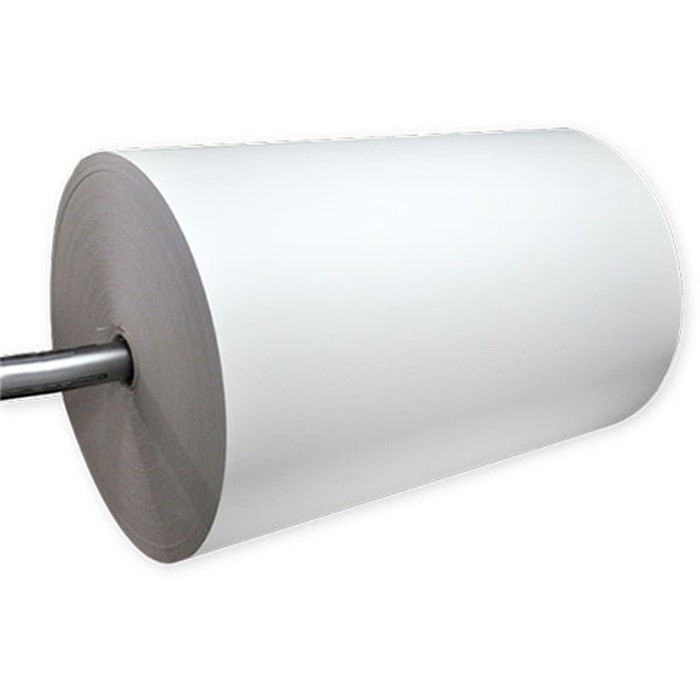
Let's talk about the heat transfer process itself. During the heat transfer, the ink on the paper is heated up and then transferred to the material. This process helps to bond the ink to the material, but it doesn't necessarily make it waterproof. The heat just activates the ink and allows it to adhere to the surface. After the transfer, you might think that the ink is locked in place, but water can still penetrate and break down the bond over time.
Now, if you're using our 70gsm Jumbo Roll Sublimation Paper, it has a specific weight and texture that can affect how well the ink transfers and how waterproof the end result is. The 70gsm weight gives it a good balance between being thick enough to hold the ink during the transfer but not so thick that it's difficult to work with. However, just like with other types of paper, it's not going to be waterproof without some extra steps.
So, what can you do to make your heat transfers more waterproof? Well, as I mentioned earlier, using waterproof inks is a great start. You can also look into applying a waterproof sealant or coating after the transfer. There are many different types of sealants available on the market, such as clear acrylic sprays or epoxy coatings. These can add an extra layer of protection to the design and make it more resistant to water.
It's also important to follow the proper care instructions for the materials with heat transfers. For example, if you've transferred a design onto a fabric item, avoid washing it in hot water or using harsh detergents. Instead, use a gentle cycle and mild detergent. This can help to preserve the integrity of the ink and make the design last longer.
In conclusion, while Jumbo Roll Heater Transfer Paper isn't naturally waterproof, there are ways to make your heat transfers more water-resistant. By using waterproof inks, choosing the right materials, and applying a waterproof coating, you can significantly improve the durability of your designs. Whether you're using Large Heat Transfer Paper for a big project or Jumbo Roll Sublimation Transfer Paper for a more detailed design, you can take steps to ensure that your designs stand up to water.
If you're interested in purchasing our Jumbo Roll Heater Transfer Paper or have any questions about making your heat transfers more waterproof, feel free to reach out. We're here to help you get the best results for your projects.
References
- General knowledge of heat transfer paper and ink technology
- Industry research on waterproofing methods for heat transfers