

Is 90gsm Fast Dry Sublimation Paper prone to static electricity?
Aug 25, 2025
In the dynamic world of sublimation printing, 90gsm Fast Dry Sublimation Paper has emerged as a popular choice for many businesses and enthusiasts. As a supplier of this high - quality product, I often encounter questions from customers regarding its various properties, and one query that comes up frequently is whether 90gsm Fast Dry Sublimation Paper is prone to static electricity. In this blog, we will delve into this topic, exploring the factors that contribute to static electricity in sublimation paper and whether our 90gsm Fast Dry Sublimation Paper is particularly susceptible.
Understanding Static Electricity in Sublimation Paper
Static electricity is an imbalance of electric charges within or on the surface of a material. It occurs when two materials come into contact and then separate, causing electrons to transfer from one material to the other. In the context of sublimation paper, static electricity can pose several problems. It can attract dust and debris, which may affect the print quality. Additionally, static can cause the paper to stick together, making it difficult to feed through the printer smoothly, leading to paper jams and production delays.
Factors Influencing Static Electricity in Sublimation Paper
Several factors can influence the likelihood of static electricity forming on sublimation paper:
Humidity
Humidity plays a crucial role in static electricity generation. In dry environments, there is less moisture in the air to conduct electricity away from the paper. As a result, static charges can build up more easily. Conversely, in high - humidity conditions, the moisture in the air acts as a conductor, helping to dissipate static charges.
Paper Composition
The composition of the sublimation paper itself can affect its susceptibility to static electricity. Different types of fibers, coatings, and additives can have varying electrical properties. For example, some materials may have a higher tendency to gain or lose electrons, leading to the formation of static charges.
Printing Conditions
The printing process can also contribute to static electricity. Friction between the paper and the printer components, such as rollers and guides, can generate static charges. High - speed printing can exacerbate this problem, as the increased movement and contact between the paper and the printer parts create more opportunities for charge transfer.
Is 90gsm Fast Dry Sublimation Paper Prone to Static Electricity?
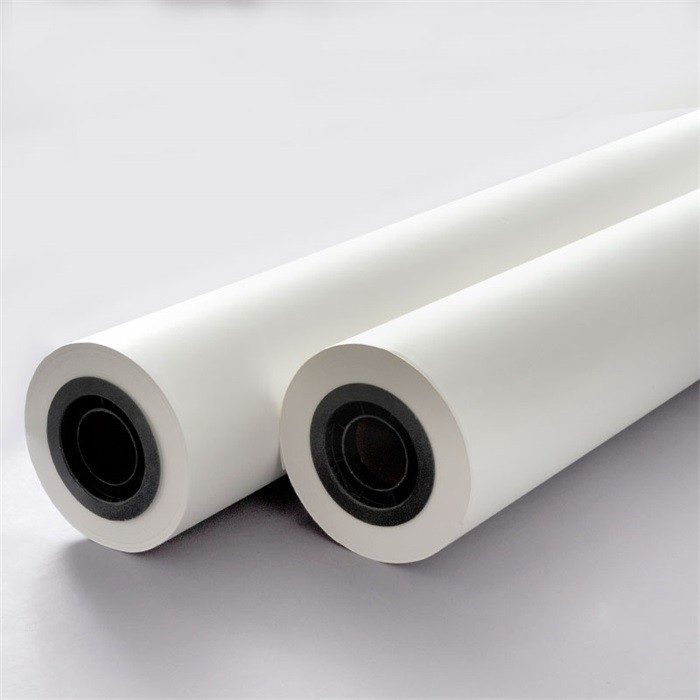
Our 90gsm Fast Dry Sublimation Paper is designed with advanced manufacturing techniques to minimize the risk of static electricity. While no paper is completely immune to static, we have taken several steps to reduce its occurrence:

Specialized Coatings
We apply specialized coatings to our 90gsm Fast Dry Sublimation Paper. These coatings not only enhance the ink absorption and transfer properties but also help to reduce static electricity. The coatings are formulated to have low friction coefficients, which means less charge is generated when the paper comes into contact with printer components.
Moisture Management
Our production process includes careful moisture management. We ensure that the paper has an optimal moisture content, which helps to prevent static build - up. This is especially important during storage and transportation, as changes in humidity can affect the paper's electrical properties.
Quality Control
We have strict quality control measures in place to ensure that each roll of 90gsm Fast Dry Sublimation Paper meets our high standards. This includes testing for static electricity levels at various stages of production. By closely monitoring the production process, we can identify and address any potential issues before the paper reaches our customers.
Comparing with Other GSM Sublimation Papers
It's interesting to compare our 90gsm Fast Dry Sublimation Paper with other GSM options, such as 80gsm Fast Dry Sublimation Paper and 50gsm Fast Dry Sublimation Paper. Generally, lighter - weight papers (such as 50gsm) may be more prone to static electricity because they have less mass and are more likely to be affected by environmental factors. Heavier - weight papers, like our 90gsm option, tend to be more stable and less likely to generate static charges. However, the susceptibility to static also depends on the specific manufacturing processes and coatings used for each paper.
Tips to Further Reduce Static Electricity
Even though our 90gsm Fast Dry Sublimation Paper is designed to minimize static, there are additional steps that you can take to further reduce the risk:
Adjust the Printing Environment
Maintain a consistent humidity level in your printing area. A humidity range of 40 - 60% is generally recommended for sublimation printing. You can use a humidifier or dehumidifier to achieve and maintain the desired humidity level.
Grounding
Ensure that your printer is properly grounded. Grounding helps to dissipate static charges from the printer and the paper, reducing the risk of static - related problems.
Anti - Static Tools
Use anti - static tools, such as anti - static brushes or sprays, to remove static charges from the paper before printing. These tools can be particularly useful if you notice that the paper is sticking together or attracting dust.
Conclusion
In conclusion, while static electricity is a common concern in sublimation printing, our 90gsm Fast Dry Sublimation Paper is designed to minimize this issue. Through specialized coatings, moisture management, and strict quality control, we have taken steps to ensure that our paper is less prone to static compared to many other options on the market. However, it's important to remember that environmental factors and printing conditions can still influence the formation of static charges. By following the tips mentioned above, you can further reduce the risk and achieve high - quality prints.
If you are interested in purchasing our 90gsm Fast Dry Sublimation Paper or learning more about our Sublimation Paper For Heat Transfer, please feel free to contact us for more information and to start a procurement discussion. We are committed to providing you with the best products and services to meet your sublimation printing needs.
References
- "Static Electricity in Printing Processes" - Journal of Printing Technology
- "Sublimation Paper Properties and Performance" - International Journal of Sublimation Printing