

Is 50gsm Jumbo Roll Sublimation Paper prone to curling?
Aug 26, 2025
As a supplier of 50gsm Jumbo Roll Sublimation Paper, I often encounter inquiries from customers regarding the potential issue of curling. This concern is understandable, as curling can significantly impact the usability and quality of the sublimation paper during the printing and transfer process. In this blog post, I will delve into the factors that may cause curling in 50gsm Jumbo Roll Sublimation Paper and discuss effective strategies to mitigate this problem.
Understanding Sublimation Paper
Before we explore the issue of curling, let's first understand what sublimation paper is and how it works. Sublimation paper is a specialized type of paper designed for use in sublimation printing, a process that involves transferring dye onto a substrate using heat and pressure. The dye is first printed onto the sublimation paper using a sublimation printer, and then the paper is placed in contact with the substrate and heated to a high temperature. At this temperature, the dye sublimates, or changes from a solid to a gas, and is absorbed into the substrate, creating a permanent, high-quality image.
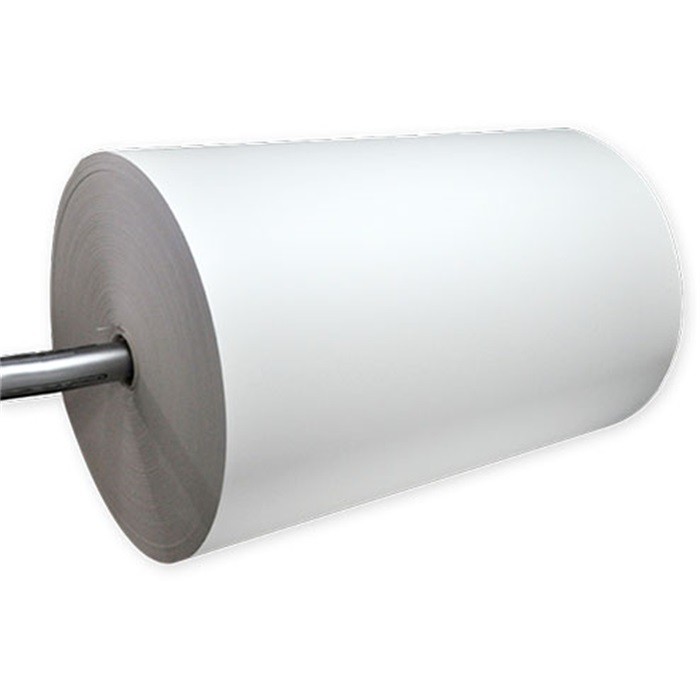
The 50gsm Jumbo Roll Sublimation Paper is a popular choice among printers due to its lightweight and large roll size, which allows for continuous printing without the need for frequent paper changes. However, its lightweight nature also makes it more susceptible to curling compared to heavier weight papers.
Factors Contributing to Curling
Several factors can contribute to the curling of 50gsm Jumbo Roll Sublimation Paper. Understanding these factors is crucial in developing effective solutions to prevent or minimize curling.
Humidity
Humidity is one of the primary factors that can cause sublimation paper to curl. Paper is a hygroscopic material, which means it absorbs and releases moisture from the surrounding environment. When the humidity is high, the paper absorbs moisture, causing it to expand. Conversely, when the humidity is low, the paper releases moisture and contracts. This expansion and contraction can lead to curling, especially if the paper is not stored or used in a controlled environment.
Temperature
Temperature can also affect the curling of sublimation paper. Extreme temperatures, either hot or cold, can cause the paper to expand or contract, leading to curling. Additionally, rapid changes in temperature can exacerbate the problem, as the paper may not have enough time to adjust to the new conditions.
Printing Process
The printing process itself can also contribute to curling. For example, if the printer settings are not optimized, the paper may be exposed to excessive heat or pressure, which can cause it to curl. Additionally, improper handling of the paper during the printing process, such as rough feeding or improper alignment, can also lead to curling.
Storage Conditions
The way the sublimation paper is stored can also have a significant impact on its tendency to curl. If the paper is stored in a humid or damp environment, it is more likely to absorb moisture and curl. On the other hand, if the paper is stored in a dry environment, it may become brittle and prone to curling. It is important to store the paper in a cool, dry place, away from direct sunlight and sources of heat or moisture.
Strategies to Mitigate Curling
Now that we understand the factors that contribute to curling, let's discuss some strategies to mitigate this problem.
Control Humidity and Temperature
One of the most effective ways to prevent curling is to control the humidity and temperature in the printing environment. Ideally, the humidity should be maintained between 40% and 60%, and the temperature should be kept between 20°C and 25°C. This can be achieved by using a humidifier or dehumidifier, as well as a temperature control system.
Optimize Printer Settings
Another important step is to optimize the printer settings to ensure that the paper is not exposed to excessive heat or pressure. This may involve adjusting the print speed, temperature, and pressure settings to match the specific requirements of the sublimation paper. It is also important to use the correct type of ink and to follow the manufacturer's recommendations for printer maintenance.

Proper Handling and Storage
Proper handling and storage of the sublimation paper are also crucial in preventing curling. When handling the paper, it is important to avoid touching it with bare hands, as the oils and moisture from the skin can cause the paper to curl. Instead, use gloves or a clean, dry cloth to handle the paper. Additionally, the paper should be stored in its original packaging or in a sealed container to protect it from moisture and dust.
Pre-Conditioning the Paper
Pre-conditioning the paper before printing can also help to reduce curling. This involves exposing the paper to the desired humidity and temperature conditions for a period of time before printing. This allows the paper to adjust to the environment and reduces the likelihood of curling during the printing process.
Conclusion
In conclusion, while 50gsm Jumbo Roll Sublimation Paper is prone to curling, this problem can be effectively mitigated by understanding the factors that contribute to curling and implementing appropriate strategies to prevent or minimize it. By controlling the humidity and temperature, optimizing the printer settings, handling and storing the paper properly, and pre-conditioning the paper, printers can ensure that their sublimation paper remains flat and usable, resulting in high-quality prints.
If you are interested in purchasing high-quality 50gsm Jumbo Roll Sublimation Paper, please feel free to contact us for more information. We are committed to providing our customers with the best products and services, and we look forward to working with you.
For more information about our sublimation paper products, please visit our website:
References
- Smith, J. (2020). Sublimation Printing: A Comprehensive Guide. Printing Press.
- Johnson, A. (2019). The Effects of Humidity and Temperature on Sublimation Paper. Journal of Printing Technology, 45(2), 123-132.
- Brown, C. (2018). Optimizing Printer Settings for Sublimation Printing. Printing Industry Magazine, 32(4), 56-63.