

Does sticky sublimation paper require pre - treatment of the substrate?
May 28, 2025
As a supplier of Sticky Sublimation Paper, I often encounter questions from customers regarding the necessity of pre - treating substrates when using our products. This blog post aims to provide a comprehensive answer to this query, exploring the factors involved and offering practical insights.
Understanding Sticky Sublimation Paper
Sticky sublimation paper, also known as Self Adhesive Sublimation Paper, Sticky Sublimation Transfer Paper, and Adhesive Sublimation Paper, is a specialized type of paper designed for sublimation printing. It features an adhesive layer that allows it to adhere to the substrate during the transfer process. This property makes it convenient for transferring high - quality, full - color images onto various materials.
The Role of Substrate Pre - treatment
Substrate pre - treatment refers to the process of preparing the surface of the material onto which the sublimation transfer will occur. The main purposes of pre - treatment are to improve the adhesion of the sublimation ink, enhance the color vibrancy and durability of the printed image, and remove any contaminants that could interfere with the transfer process.
Factors Influencing the Need for Pre - treatment
Material Composition
Different materials have different surface properties, which can significantly affect the need for pre - treatment.
- Polyester - based Materials: Polyester is a commonly used substrate for sublimation printing. It has a high affinity for sublimation inks, and in many cases, pre - treatment may not be necessary. The smooth surface of polyester allows the sublimation ink to penetrate and bond effectively. However, if the polyester has a coating or finish that may inhibit ink absorption, a light pre - treatment with a polyester - specific primer can be beneficial.
- Cotton and Other Natural Fibers: Natural fibers like cotton do not have the same receptive properties as polyester. Sublimation inks do not bond well to cotton directly because the fibers do not have the molecular structure to absorb the gaseous ink. Therefore, pre - treating cotton with a special sublimation - receptive coating is essential to achieve satisfactory results. This coating creates a polyester - like surface on the cotton, allowing the ink to transfer and adhere properly.
- Hard Surfaces (e.g., Metal, Ceramic): Hard surfaces often require pre - treatment. Metal and ceramic surfaces are usually smooth and non - porous, making it difficult for the sublimation ink to adhere. A pre - treatment with a suitable primer can create a receptive layer that improves ink adhesion and image quality.
Surface Condition
The cleanliness and smoothness of the substrate surface also play a crucial role.
- Contaminants: If the substrate has dirt, grease, or dust on its surface, these contaminants can prevent the sublimation ink from bonding correctly. Pre - treatment can involve cleaning the surface with a mild detergent or a specialized cleaning solution to remove these impurities.
- Texture: A rough or uneven surface may require pre - treatment to ensure a uniform transfer. For example, a textured fabric may need to be smoothed or primed to prevent the ink from being absorbed unevenly, which could result in a blotchy or faded image.
Desired Image Quality
The level of image quality you want to achieve can determine whether pre - treatment is necessary.
- High - end Applications: For applications where high - definition, long - lasting images are required, such as in commercial signage or high - end apparel, pre - treatment is often recommended. Pre - treatment can enhance the color saturation, sharpness, and durability of the printed image, ensuring that it meets the high standards of these applications.
- Low - cost or Temporary Applications: In some cases, where the image is for a short - term or low - cost project, pre - treatment may be skipped. However, this may result in a lower - quality image that may fade or peel over time.
Benefits of Pre - treatment
Improved Adhesion
Pre - treating the substrate can significantly improve the adhesion of the sublimation ink. This means that the printed image is less likely to peel or fade, even after repeated washing or exposure to the elements. For example, when pre - treating a cotton fabric, the sublimation - receptive coating creates a strong bond between the ink and the fabric, ensuring long - lasting results.
Enhanced Color Vibrancy
A properly pre - treated substrate can enhance the color vibrancy of the printed image. The pre - treatment can help the sublimation ink to spread more evenly and absorb better, resulting in brighter, more vivid colors. This is especially important for applications where color accuracy is crucial, such as in graphic design or photography reproduction.
Increased Durability
Pre - treatment can also improve the durability of the printed image. By creating a stronger bond between the ink and the substrate, the image is more resistant to abrasion, fading, and other forms of damage. This is particularly beneficial for products that will be subjected to heavy use, such as outdoor signage or workwear.
When Pre - treatment May Not Be Necessary
There are situations where pre - treatment may not be required.
- Sticky Sublimation Paper with Excellent Adhesive Properties: Our Sticky Sublimation Paper is designed to have strong adhesive properties. In some cases, especially when using it on well - prepared polyester substrates, the adhesive on the paper can provide sufficient adhesion for a successful transfer without the need for additional pre - treatment.
- Short - term or Low - quality Applications: If the project is for a short - term display or a low - quality requirement, such as a temporary promotional item, pre - treatment may be skipped to save time and cost. However, it's important to note that the image quality and durability may be compromised.
How to Determine if Pre - treatment is Needed
To decide whether pre - treatment is necessary, you can follow these steps:
- Research the Substrate: Understand the material composition and surface properties of the substrate. Look for information from the substrate manufacturer or conduct small - scale test prints to evaluate the transfer quality without pre - treatment.
- Consider the Application: Think about the intended use of the printed product. If it requires high - quality, long - lasting results, pre - treatment is likely necessary.
- Test Prints: Conduct test prints on a small area of the substrate with and without pre - treatment. Compare the results in terms of adhesion, color vibrancy, and image quality. This hands - on approach can provide valuable insights into the effectiveness of pre - treatment for your specific project.
Conclusion
In conclusion, the need for substrate pre - treatment when using Sticky Sublimation Paper depends on various factors, including the material composition, surface condition, and desired image quality. While our Sticky Sublimation Paper offers excellent adhesion properties, pre - treatment can still be beneficial in many cases to achieve the best possible results. By carefully considering the characteristics of the substrate and conducting test prints, you can determine whether pre - treatment is necessary for your sublimation project.

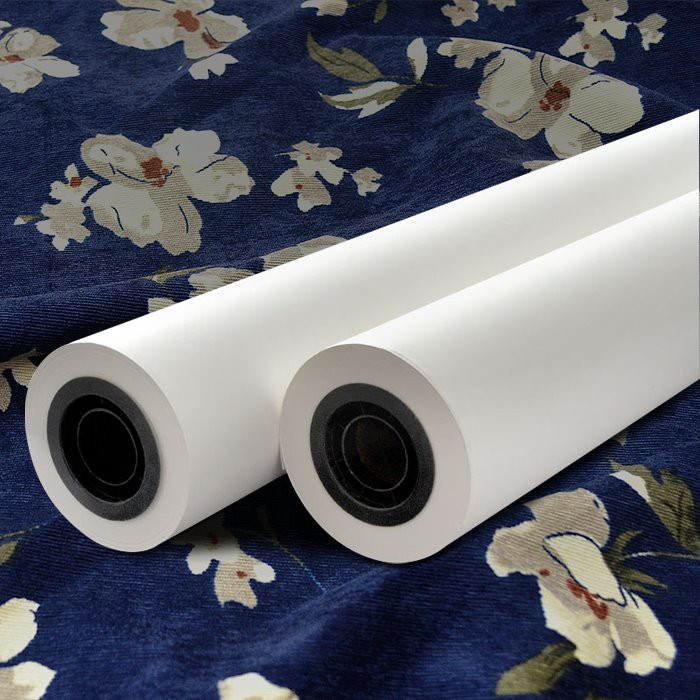
If you have any further questions about our Sticky Sublimation Paper or need advice on substrate pre - treatment, we are here to help. Feel free to contact us to discuss your specific requirements and explore how our products can meet your needs. We look forward to working with you to create high - quality sublimation - printed products.
References
- Smith, J. (2018). "Advanced Sublimation Printing Techniques." Printing Press Publications.
- Johnson, A. (2020). "Sublimation Printing: A Comprehensive Guide." Art and Printing Journal, Vol. 15, No. 2.
- Manufacturer's guides for various sublimation inks, papers, and substrates.